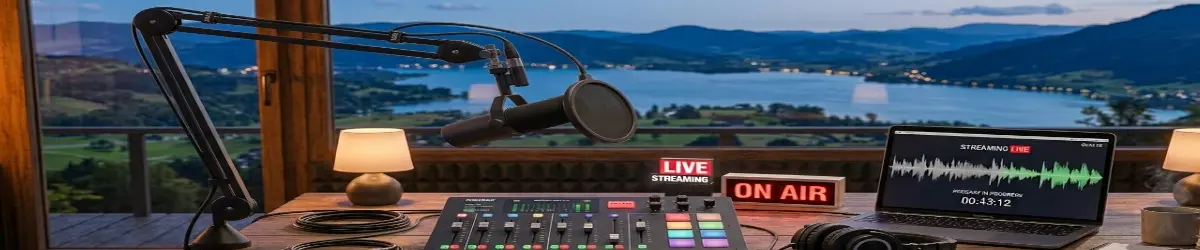
Podcast Schedule and Planning
2026-06-07
Podcast Schedule and Planning
A Space for Audio Content
This section is reserved for future podcast planning and scheduling.
At the moment, there are no published or scheduled podcast episodes.
But the structure is in place for when audio storytelling begins.
What is a Podcast in This Context?
A podcast is a voice-based form of communication that may include:
- Discussions and reflections
- Educational explanations
- Storytelling and narration
- Technical walkthroughs
- Creative conversations
- Commentary on projects and ideas
Unlike written articles, podcasts rely on voice, tone, and pacing to communicate meaning.
Why Audio Matters
Not every idea needs to be read.
Some ideas are better heard.
The human voice carries:
- Emotion
- Emphasis
- Personality
- Rhythm
- Presence
Audio creates a different kind of connection between creator and audience.
The Role of Scheduling
A podcast without structure becomes difficult to maintain.
A schedule helps to:
- Organise topics
- Plan recording sessions
- Maintain consistency
- Reduce creative overload
- Turn ideas into episodes
Even simple planning creates long-term stability.
The PlebWare Perspective
Within the PlebWare ecosystem, podcasts are not separate entertainment pieces.
They are part of a learning and creative network.
Audio becomes another layer of expression alongside writing, video, graphics, and research.
Each format supports the others.
What This Section Will Contain
When active, this space may include:
- Episode schedules
- Topic outlines
- Series planning
- Educational audio segments
- Project commentary
- Reflective discussions
- Creative storytelling episodes
Each entry will represent structured audio intent.
Starting Before Sound
Every podcast begins before recording.
It begins with an idea.
Then a plan.
Then a schedule.
Only then does it become voice.
This section captures that early stage of creation.
Closing Thought
A voice becomes powerful when it is given direction.
Scheduling is the first step in turning thought into spoken expression.
Before the voice is heard, the idea must be formed.
O.C. Verricchio