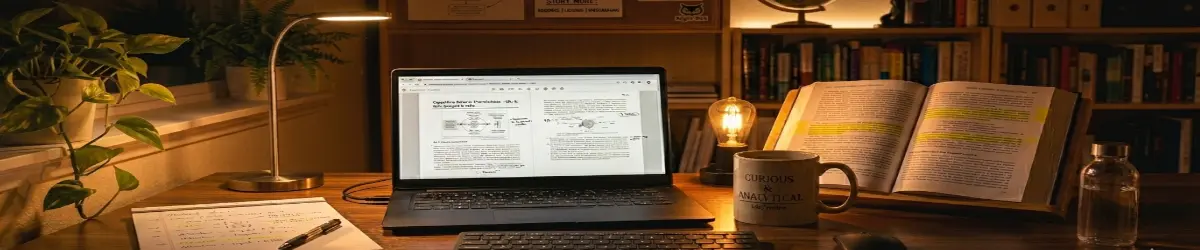
Writing 101: The Art and Craft of Putting Words on Paper
2026-06-20
🔑 What Is Writing?
Writing is the process of communicating ideas, information, thoughts, emotions, and stories through words.
People write for many reasons:
- To inform.
- To teach.
- To entertain.
- To persuade.
- To document.
- To inspire.
Writing is one of humanity’s most powerful tools for sharing knowledge across time and distance.
A person may never meet you, yet your words can influence them years after they are written.
🔑 Types of Writing
Fiction
- Literature.
- Knowledge.
- Personal experiences.
Books, articles, letters, journals, websites, and even simple notes help preserve information for future generations.
Good writing informs the mind and touches the heart.
🔑 Anyone Can Learn to Write
One of the biggest myths about writing is that writers are born rather than made.
The truth is:
Writing is a skill.
Like cooking, drawing, woodworking, or playing music, writing improves through practice.
Every experienced writer started as a beginner.
The difference is that they kept writing.
🔑 Types of Writing
Fiction
Fiction tells imagined stories.
Examples include:
- Science Fiction
- Fantasy
- Adventure
- Mystery
- Historical Fiction
Fiction entertains while exploring ideas and emotions.
Non-Fiction
Non-fiction communicates real information.
Examples include:
- Articles
- Tutorials
- Biographies
- History books
- Educational materials
The goal is accuracy and clarity.
Journalism
Journalism reports facts, events, and news.
Journalists seek to answer:
- Who?
- What?
- When?
- Where?
- Why?
- How?
Good journalism values truth and verification.
Technical Writing
Technical writing explains processes and systems.
Examples include:
- Manuals
- Documentation
- Tutorials
- User guides
Its purpose is to make complex subjects understandable.
Creative Writing
Creative writing focuses on imagination and expression.
Examples include:
- Poetry
- Stories
- Scripts
- Comics
- Worldbuilding
🔑 The Writing Process
Most writing follows a simple process.
Step 1: Gather Ideas
Ideas come from:
- Life experiences
- Reading
- Observation
- Research
- Conversation
- Imagination
Carry a notebook or digital note-taking tool.
Great ideas often arrive unexpectedly.
Step 2: Create an Outline
An outline is a roadmap.
It helps organise:
- Main points
- Chapters
- Sections
- Story events
Planning often saves time later.
Step 3: Write the First Draft
The first draft does not need to be perfect.
Its purpose is simple:
Get the words onto the page.
Many new writers spend too much time trying to perfect every sentence.
Keep moving forward.
Step 4: Revise
Revision improves the structure and content.
Ask:
- Does it make sense?
- Is anything missing?
- Can anything be simplified?
Good writing is often rewritten writing.
Step 5: Edit
Editing focuses on:
- Grammar
- Spelling
- Punctuation
- Formatting
Editing polishes the work.
Step 6: Publish
Publishing can be:
- Printed books
- Websites
- Blogs
- Newsletters
- Social media
- E-books
Sharing your work allows others to benefit from it.
🔑 Common Writing Mistakes
Waiting for Inspiration
Professional writers write even when inspiration is absent.
Discipline often produces inspiration.
Fear of Imperfection
No first draft is perfect.
Allow yourself to write badly before writing well.
Writing Without Reading
Reading teaches:
- Vocabulary
- Style
- Structure
- Storytelling
Writers grow by reading.
Giving Up Too Soon
Every writer experiences frustration.
Improvement comes through persistence.
🔑 Building a Writing Habit
A writing habit is more valuable than occasional bursts of motivation.
Try:
- Writing daily
- Keeping a journal
- Maintaining a blog
- Recording story ideas
- Setting small goals
Even a few hundred words each day can produce a book over time.
🔑 Writing for the Digital Age
Today’s writers have opportunities previous generations never imagined.
Writers can publish through:
- Personal websites
- Blogs
- E-books
- Online magazines
- Social media
- Community platforms
The internet allows writers to reach readers around the world.
🔑 The Writer’s Toolbox
Useful tools include:
- Markdown editors
- Word processors
- Note-taking applications
- Spell checkers
- Grammar assistants
- Research tools
Remember:
Tools help writers.
They do not replace writing.
🔑 Final Thoughts
Writing is one of the most valuable skills a person can develop.
It helps us think clearly, communicate effectively, preserve knowledge, and share stories with others.
Whether you dream of writing novels, articles, devotionals, tutorials, journalism, comics, or educational material, the path is the same:
Start writing.
Keep writing.
Improve through practice.
Every book, article, and masterpiece began with a blank page and a single word.
The best time to start writing was yesterday.
The second-best time is today.
PlebTuition Series Learning, creating, and sharing one word at a time.